


Debt collection plays a critical role in ensuring financial stability for lenders and borrowers alike. While lenders rely on recoveries to maintain profitability and reduce credit risk, borrowers deserve a transparent and ethical process in line with their rights. This is where compliance in debt collection becomes the true backbone of the financial ecosystem.
In India, where loan defaults and rising non-performing assets (NPAs) continue to impact banks and NBFCs, the issue is not simply about recovering dues — it’s about doing so lawfully, ethically, and empathetically. Without proper compliance, lenders risk regulatory action, reputational damage, and strained borrower relationships.
In this blog, we unravel the compliance landscape in India’s debt collection industry, the challenges lenders face, the role of technology, and best practices for creating a fair yet effective debt recovery framework.
The Regulatory Landscape of Debt Collection in India
The Indian debt collection industry operates under a multi-layered legal and regulatory framework. Each regulation aims to strike the right balance between a lender’s right to recover dues and a borrower’s right to dignity and fairness.

Key regulators and laws governing debt collection include:
- Reserve Bank of India (RBI): Provides guidelines that mandate ethical practices, borrower protection, and transparency.
- SARFAESI Act, 2002: Empowers banks and financial institutions to enforce security interests without court intervention, enabling faster asset recovery.
- DRT Act, 1993: Establishes Debt Recovery Tribunals (DRTs) to hear cases related to loan recovery and provide a quicker resolution mechanism.
- Insolvency and Bankruptcy Code (IBC), 2016: Offers a structured process for resolving insolvency cases while protecting creditor and debtor rights.
- TRAI regulations: In the case of telecom-related collections, caps communication frequency to protect consumers from harassment.
What Does Compliance in Debt Collection Mean in 2025?
Debt collection compliance means adhering strictly to the legal, regulatory, and ethical standards established by authorities like the Reserve Bank of India (RBI) to ensure collections are conducted fairly, transparently, and respectfully of borrower rights. In 2025, with enhanced RBI regulations and digital lending growth, compliance has become crucial not only to avoid penalties and reputational damage but to build trust and sustain financial ecosystems.
Why Compliance in Debt Collection Matters
Non-compliance risks hefty fines, legal suits, and consumer trust erosion. Recent RBI updates emphasize borrower dignity and transparency toward more responsible lending and recovery. Ethical collections prevent harassment complaints, improve recovery rates by encouraging borrower cooperation, and align with India’s evolving financial inclusion goals. Here’s why:
1. Credibility: Adherence to compliance builds borrower trust and enhances the reputation of lending institutions.
2. Risk Mitigation: Prevents legal penalties, fines, and future litigation costs.
3. Operational Efficiency: Structured processes ensure faster, smoother recoveries.
4. Borrower Relations: Ethical practices foster cooperation, making recoveries less adversarial.
5. Ecosystem Stability: Strengthens confidence in the larger financial and lending systems of India.

Challenges Faced by Lenders in Debt Recovery
Even though compliance is critical, lenders face several hurdles in implementing it effectively:
- Irregular Payments and Defaults: Rising NPAs erode profitability and delay lending.
- Low Borrower Traceability: Difficulty in contacting borrowers due to incorrect addresses/numbers.
- Manual Processes: Reliance on outdated paperwork and physical follow-ups increases inefficiency.
- Lack of Training: Debt collection agents often lack adequate legal knowledge and borrower’s rights awareness.
- Reputational Risks: Aggressive or non-compliant practices can lead to media scrutiny or public backlash.
The Role of Technology in Ensuring Compliance
Today, technology is not just an enabler but a compliance safeguard in debt collections. Modern legaltech and fintech platforms empower lenders to align with regulations while improving efficiency.
How Technology Strengthens Compliance:
- Automated Communication: AI-driven systems schedule borrower reminders within permissible limits, avoiding excessive or unlawful contact.
- CRM Integration: Centralized borrower information helps maintain a detailed record of every interaction for audit purposes.
- Regulatory Monitoring: Platforms can be programmed to stay updated with RBI or IBC changes.
- Digital Documentation: Every call, email, or settlement offer is digitally recorded and easily retrieved in case of disputes.
- Data Security: Ensuring borrower privacy through encrypted systems and permission-based access.
- Analytics for Risk Prediction: Data-backed insights allow lenders to distinguish between willful defaulters and financially distressed borrowers.

Best Practices for Compliance in Debt Collection
To build a compliant, ethical, and efficient collections framework, lenders should focus on the following:
1. Training and Education:
Comprehensive training for collection agents on legal frameworks, ethical communication, negotiation, and borrower sensitivity.
2. Documentation and Record-Keeping:
Maintain detailed call logs, emails, text records, and borrower interactions. This ensures audit readiness and provides evidence in disputes.
3. Borrower Consent and Permission:
Always seek explicit borrower consent before initiating recovery actions, deducting funds, or sharing sensitive information.
4. Respectful Communication:
Agents must strictly avoid coercion, threats, or harassment. Conversations should be empathetic and solution-oriented.
5. Grievance Redressal Systems:
Provide borrowers with a direct channel to lodge complaints or disputes. Timely redressal builds borrower confidence and avoids regulatory scrutiny.
6. Regular Compliance Audits:
Periodic reviews and audits ensure that recovery operations stay updated with regulatory amendments and internal ethics standards.
Case for Ethical Collections: From Enforcement to Empowerment
The perception of debt collection in India has long been associated with harsh tactics. However, compliance shifts the lens from confrontation to collaboration. When recovery processes are respectful, transparent, and well-regulated, borrowers are more willing to engage and resolve outstanding dues.
For example, borrowers facing financial stress may prefer structured settlement options, loan restructuring, or mediation through Lok Adalats. Compliance ensures these solutions are offered within legal boundaries instead of resorting to aggressive recovery actions.
The Bigger Picture: Impact on the BFSI Industry
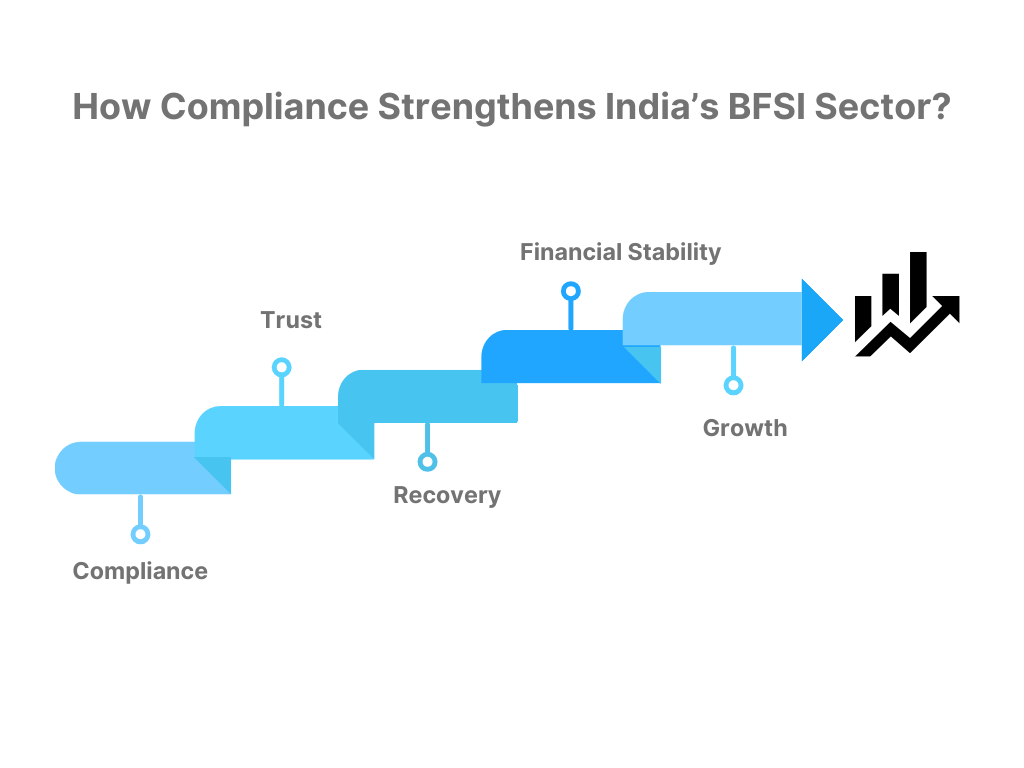
Compliance in debt collection doesn’t just protect borrowers — it safeguards the entire financial ecosystem. Lenders recover efficiently, borrowers avoid undue stress, and regulators ensure fair market practices. Over time, a robust compliance framework contributes to:
Greater investor confidence.
Sustainable credit growth.
Lower systemic risk for banks and NBFCs.
Improved customer satisfaction and loyalty.
What Are the Latest RBI Guidelines for Debt Recovery in 2025?
The RBI’s 2025 guidelines reinforce fair, transparent, and borrower-friendly recovery processes:
Mandatory Cooling-Off Period: Borrowers receive a formal 30-day notice before any recovery action starts.
Permitted Contact Hours: Calls or visits restricted to between 8 AM and 7 PM only.
Ethical Communication: No threats, intimidation, or public shaming allowed. Trained agents must treat borrowers respectfully.
Full Disclosure: All fees, interest rates, and penalties must be shared upfront in clear language.
Borrower Privacy: Data confidentiality is paramount; unauthorized sharing or aggressive automated messaging is prohibited.
Proper Identification: Recovery agents must clearly identify themselves and their organization.
Training & Supervision: Recovery agents require RBI registration, compulsory ethics training, and oversight by senior officers.
Digital Record-Keeping: All communications must be logged for audit and dispute resolution.
Grievance Redressal: Borrowers can access nodal officers for timely complaint handling.
Here is the added section on how Legodesk ensures compliance in debt collection, focusing on technology and best practices, integrated seamlessly into the earlier blog draft.
How Has Technology Transformed Compliance in Debt Collection?
Technology drives modern debt collection, enabling accurate, auditable, and regulated interactions:
Comprehensive Documentation: Systems automatically log calls, messages, and payments for compliance audits.
AI-Driven Communication: Pre-approved messaging scripts ensure RBI standard adherence and reduce human error.
Secure Data Handling: Encryption protects borrower information, aligning with RBI’s privacy mandates.
Grievance Portals: Digital platforms provide easy complaint lodging and status tracking.
Omnichannel Support: Safe communication extends to WhatsApp, SMS, email, and apps, all within RBI rules.
What Are the Compliant Stages of Debt Recovery?
Following a clear, regulated procedure is critical:
1. Initial Reminder: Automated, courteous outreach with logging.
2. Formal Notice: Registered mail providing a 30-day response window.
3. Negotiation & Restructuring: Discussion of settlement or repayment.
4. Legal Action: Pursued only after proper notice and escalation.
5. Asset Seizure: Conducted lawfully post-judgment if required.
Any deviation risks RBI sanctions and legal consequences.
What Rights Do Borrowers Have Under These Guidelines?
Borrowers benefit from:
- Right to advance notice.
2. Respect and dignity in all contact.
3. Privacy and data protection.
4. Clear disclosure of financial terms.
5. Access to effective grievance mechanisms.
6. Protection from unlawful or aggressive tactics.
Complaints can be filed with the RBI ombudsman or consumer courts if rights are violated.
How Legodesk Ensures Compliance in Debt Collection
At Legodesk, compliance in debt collection is not just a regulatory requirement — it is a core operational pillar. The platform is designed to empower lenders, NBFCs, and financial institutions with technology-driven tools that ensure every step of the debt recovery process aligns with legal and ethical standards.
Automated, Regulatory-Aligned Workflows: Legodesk digitizes and automates debt collection workflows, including demand notice generation, follow-ups, and legal case management, ensuring all actions comply with RBI guidelines, SARFAESI, and related laws. Automation eliminates manual errors and enforces adherence to permissible communication limits with borrowers.
Comprehensive Documentation and Audit Trails: Every communication channel, calls, emails, legal notices, is logged and stored securely, creating a transparent and verifiable history of borrower interactions. This enables quick resolution of disputes and supports audit readiness.
Real-Time Tracking & Reporting: Lenders gain visibility into case statuses, notice delivery confirmations (integrated with India Post), and borrower responses. The platform sends alerts and provides reports, helping teams to promptly act within compliance windows.
Security & Data Privacy: Recognizing the sensitivity of borrower data, Legodesk incorporates end-to-end encryption, access controls, and compliance with data protection regulations to safeguard personal and financial information.
AI and Analytics for Risk Segmentation: Using predictive analytics, Legodesk helps lenders identify accounts requiring differing recovery strategies, distinguishing between willful defaulters and those with genuine hardship, enabling compassionate and compliant engagement.
Collaborative Case Management: Legal, collections, and recovery teams work in a unified environment through Legodesk’s cloud-based platform, ensuring consistent messaging and coordinated action without redundant or excessive borrower contact.
By integrating compliance into every layer of its technology and services, Legodesk helps lenders maintain ethical collections, reduce operational risks, and foster trust with borrowers, ultimately contributing to a healthier and more sustainable lending ecosystem in India.
Best Practices to Maintain Debt Collection Compliance
– Conduct regular training for agents on RBI’s Code of Conduct.
– Adopt technology platforms to automate compliant communication and logging.
– Maintain detailed, accessible records for audit and grievance handling.
– Ensure policies evolve with regulatory changes.
– Prioritize respectful and empathetic borrower communications.
Frequently Asked Questions
What are borrowers’ protections against harassment?
Recovery agents must not call outside 8 AM–7 PM or use abusive language. Violations can be reported to RBI or police.
Can lenders use automated calls and messages?
Yes, but only with strict RBI-compliant scripts and with documented borrower consent.
What should a borrower do if treated unfairly?
File complaints with the lender’s nodal officer, RBI ombudsman, or consumer forum for redressal.
Conclusion
Debt collection is no longer only about recovering due, it’s about recovering them rightly. With rising NPAs, borrowers’ rights awareness, and stricter RBI oversight, compliance is now at the forefront of every lender’s strategy.
For institutions in the BFSI ecosystem, compliance in debt collection is not just a legal necessity but an ethical responsibility. By leveraging technology, training collection professionals, and adhering to transparent frameworks, lenders can balance recovery goals with borrower dignity.
At Legodesk, we believe that the future of debt recovery lies in compliant, digital-first, and empathetic solutions that create a win-win situation for both lenders and borrowers.
