

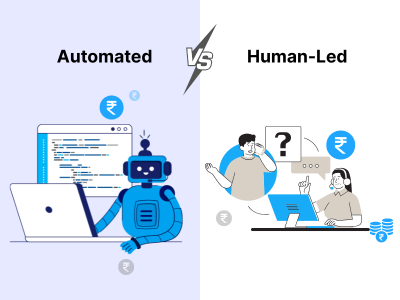

Automated vs Human-Led Collections: Which Is Better for Indian Lenders?
The Indian lending landscape has undergone a dramatic transformation in recent years, with debt collection technology emerging as a game-changer for financial institutions. As digital lending platforms proliferate and borrower behavior evolves, lenders face a critical decision: should they rely on automated debt recovery systems or maintain traditional human-led approaches? The answer lies in understanding the unique dynamics of the Indian market and the strategic advantages each method offers.
The Rise of Automated Debt Recovery in India
Automated debt recovery has gained significant momentum among Indian lenders, particularly in the digital lending space. This technology-driven approach leverages artificial intelligence, machine learning, and data analytics to streamline collection processes. Leading fintech companies and traditional banks are increasingly adopting automated debt recovery systems to handle the growing volume of loans and reduce operational costs.
The surge in automated debt recovery adoption stems from India’s digital transformation. With over 700 million internet users and widespread smartphone penetration, borrowers are more receptive to digital communication channels. Debt collection technology now enables lenders to reach customers through multiple touchpoints—SMS, email, WhatsApp, mobile apps, and automated voice calls—creating a comprehensive engagement strategy.
Advantages of Debt Collection Technology

Modern debt collection technology offers several compelling benefits for Indian lenders. First, scalability remains the most significant advantage. Automated debt recovery systems can handle thousands of accounts simultaneously, something impossible with human-led teams. This becomes crucial during economic downturns when delinquency rates spike across portfolios.
Cost efficiency represents another major benefit. While implementing debt collection technology requires initial investment, the long-term operational costs are substantially lower than maintaining large human collection teams. Automated debt recovery eliminates expenses related to salaries, training, office space, and employee turnover—factors that significantly impact traditional collection operations.
Data-driven insights form the backbone of effective automated debt recovery. These systems continuously analyze borrower behavior, payment patterns, and communication preferences to optimize collection strategies. Debt collection technology can predict the likelihood of payment, determine optimal contact timing, and personalize communication approaches for different customer segments.
Consistency in approach ensures fair treatment across all borrowers. Unlike human collectors who might have varying communication styles or emotional responses, automated debt recovery maintains standardized, compliant interactions. This consistency helps Indian lenders avoid regulatory issues and maintain professional relationships with customers.
The Human Touch: Why Personal Connections Matter
Despite the advantages of debt collection technology, human-led collections retain significant value in the Indian context. India’s diverse linguistic landscape, with 22 official languages and hundreds of dialects, creates communication challenges that automated debt recovery systems struggle to navigate effectively. Human collectors can switch between languages, understand regional nuances, and build rapport with borrowers from different cultural backgrounds.
Emotional intelligence remains a uniquely human capability. Experienced collection agents can assess borrower situations, show empathy for genuine hardships, and negotiate flexible payment arrangements. This emotional connection often proves crucial in resolving complex cases where automated debt recovery might fail.
Complex financial situations requiring detailed discussions benefit from human intervention. When borrowers face job losses, medical emergencies, or business challenges, human collectors can understand the full context and work collaboratively toward solutions. Debt collection technology, while sophisticated, lacks the nuanced understanding required for such scenarios.
Regulatory Considerations in India
The Reserve Bank of India (RBI) has implemented strict guidelines governing debt collection practices. These regulations emphasize fair treatment, privacy protection, and ethical conduct. Both automated debt recovery and human-led approaches must comply with these standards, but implementation differs significantly.
Debt collection technology offers better compliance monitoring capabilities. Automated systems can record all interactions, ensure consistent messaging, and prevent aggressive or inappropriate communication. This documentation proves valuable during regulatory audits and helps lenders demonstrate adherence to RBI guidelines.
However, automated debt recovery systems must be carefully programmed to respect calling hours, frequency limits, and communication preferences. The technology must also handle borrower requests for call restrictions or dispute resolution appropriately.
The Hybrid Approach: Best of Both Worlds
Leading Indian lenders increasingly recognize that the optimal solution combines automated debt recovery with strategic human intervention. This hybrid model leverages debt collection technology for initial contact, routine follow-ups, and standard cases while reserving human resources for complex situations, high-value accounts, and escalated matters.
The integration typically follows a tiered approach. Automated debt recovery handles early-stage delinquencies through digital channels, sending personalized reminders and offering self-service payment options. If these efforts prove unsuccessful, the system escalates cases to human collectors who can employ more sophisticated negotiation techniques.
This hybrid strategy maximizes the efficiency of debt collection technology while preserving the relationship-building capabilities of human interaction. It also allows lenders to optimize resource allocation, using automated debt recovery for volume handling and human expertise for challenging cases.
Future Outlook and Recommendations
The future of collections in India will likely see even greater integration of debt collection technology with human capabilities. Artificial intelligence will become more sophisticated, enabling automated debt recovery systems to handle increasingly complex scenarios. Natural language processing improvements will help bridge communication gaps, while machine learning will enhance prediction accuracy.
However, the human element will remain essential, particularly for relationship-intensive lending segments like SME financing and high-value personal loans. The key lies in finding the right balance based on customer segments, loan types, and organizational capabilities.
For Indian lenders evaluating their collection strategies, the recommendation is clear: embrace debt collection technology for operational efficiency while maintaining human capabilities for relationship management and complex problem-solving. Automated debt recovery should form the foundation of modern collection operations, enhanced by strategic human intervention where it adds the most value.
Conclusion
The debate between automated debt recovery and human-led collections isn’t about choosing one over the other—it’s about creating an optimal blend that serves Indian lenders’ unique needs. Debt collection technology provides the scalability, consistency, and cost-effectiveness required in today’s competitive lending environment. However, human insight, cultural sensitivity, and relationship-building skills remain irreplaceable assets.
Successful Indian lenders will be those who master the integration of advanced debt collection technology with strategic human intervention, creating collection operations that are both efficient and empathetic. This balanced approach will drive better recovery rates while maintaining customer relationships and regulatory compliance in India’s dynamic lending landscape.
